
Comprehensive Guide to Managed IT Support Services for Businesses
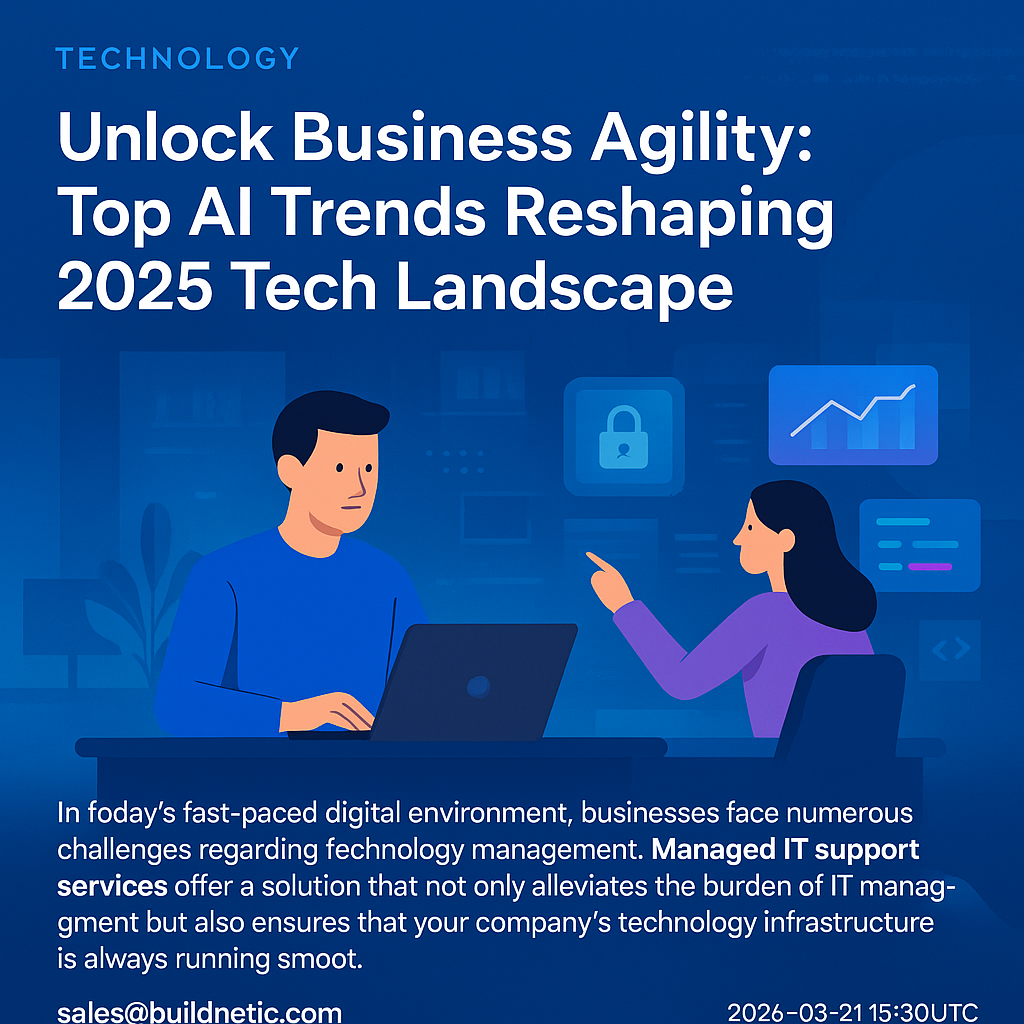
In today’s fast-paced digital environment, businesses face numerous challenges regarding technology management. Managed IT support services offer a solution that not only alleviates the burden of IT management but also ensures that your company’s technology infrastructure is always running smoothly. This blog will explore the benefits of managed IT support, types of services provided, and how to choose the right outsourced IT support company for your needs.
Understanding Managed IT Support Services
Managed IT support services encompass a wide range of technological solutions that help businesses to maintain, optimize, and secure their IT infrastructure. These services are provided by an outsourced IT support company, allowing organizations to focus on their core competencies without the stress of managing their IT systems.
Key Components of Managed IT Support
-
24/7 IT Support for Businesses: Continuous support ensures that any issues that arise can be addressed promptly, minimizing downtime.
-
Remote IT Support Services: With remote support, technicians can diagnose and resolve issues without needing to be on-site, providing quick and effective solutions.
-
Small Business IT Support Solutions: Tailored services that meet the specific needs of small businesses, helping them leverage technology effectively without large investments.
-
Cybersecurity Measures: Protection against data breaches and cyber threats is essential in today’s landscape. Managed IT services often include advanced security protocols and regular assessments.
-
Cloud Solutions: Many businesses are transitioning to cloud-based services for flexibility and scalability. Managed IT support can assist with cloud migration and management.
Benefits of Managed IT Support Services
Engaging a managed IT support provider offers several advantages:
-
Cost-Effectiveness: Instead of hiring an in-house IT team, businesses can save on salaries and training expenses by outsourcing their IT needs.
-
Access to Expertise: Managed IT services provide access to a team of professionals with diverse expertise, ensuring that businesses can leverage the latest technologies and best practices.
-
Increased Efficiency: With dedicated IT support, businesses can improve their operational efficiency, allowing employees to focus on their primary responsibilities rather than IT issues.
-
Proactive Maintenance: Managed service providers (MSPs) conduct regular maintenance and updates, reducing the likelihood of unexpected IT failures.
-
Scalability: As businesses grow, their IT needs change. Managed IT support services can scale with the organization, providing flexible solutions as required.
How to Choose the Right Managed IT Support Provider
Selecting the right managed IT support company is crucial for your business’s success. Here are some tips to help you make the best choice:
1. Assess Your Needs
-
Evaluate your current IT infrastructure and identify the specific services you require.
-
Consider your budget and what you can afford in terms of ongoing support and management.
2. Research Potential Providers
-
Look for companies with a solid reputation and positive client testimonials.
-
Verify their experience in your industry, as specialized knowledge can significantly enhance the value they provide.
3. Understand Their Service Level Agreements (SLAs)
- Review their SLAs to understand the scope of support, response times, and availability of services.
4. Evaluate Their Cybersecurity Practices
- Ensure that the provider has robust security measures in place, including data protection solutions for businesses.
5. Check for Certifications and Partnerships
- Look for certifications like CompTIA, Microsoft, or Cisco that demonstrate their expertise and commitment to quality.
FAQs about Managed IT Support Services
What are the costs associated with managed IT support services?
The costs vary based on the level of service, number of users, and specific requirements of the business. Generally, managed services are charged on a monthly subscription basis, which can be more predictable than in-house hiring.
Can managed IT support services help with cloud migration?
Yes, many managed IT support providers offer cloud migration consulting as part of their services, ensuring a seamless transition to cloud-based systems.
How can I measure the effectiveness of my managed IT support provider?
You can measure effectiveness by tracking response times, resolution rates, and overall system uptime. Regular reviews and feedback sessions can also help assess performance.
What industries benefit the most from managed IT support services?
While any business can benefit, industries like healthcare, finance, and e-commerce, which require stringent compliance and security measures, see significant advantages from managed IT services.
Conclusion
Managed IT support services play a pivotal role in helping businesses navigate the complexities of technology management. From ensuring cybersecurity to providing 24/7 IT support, these services allow organizations to focus on their core activities while leaving their IT needs in capable hands. If your business is seeking a reliable outsourced IT support company, consider evaluating your options carefully and choosing a provider that aligns with your specific needs.
Ready to enhance your IT infrastructure? Contact us today to explore how our managed IT support services can benefit your business!