
Comprehensive Guide to Managed IT Support Services for Businesses
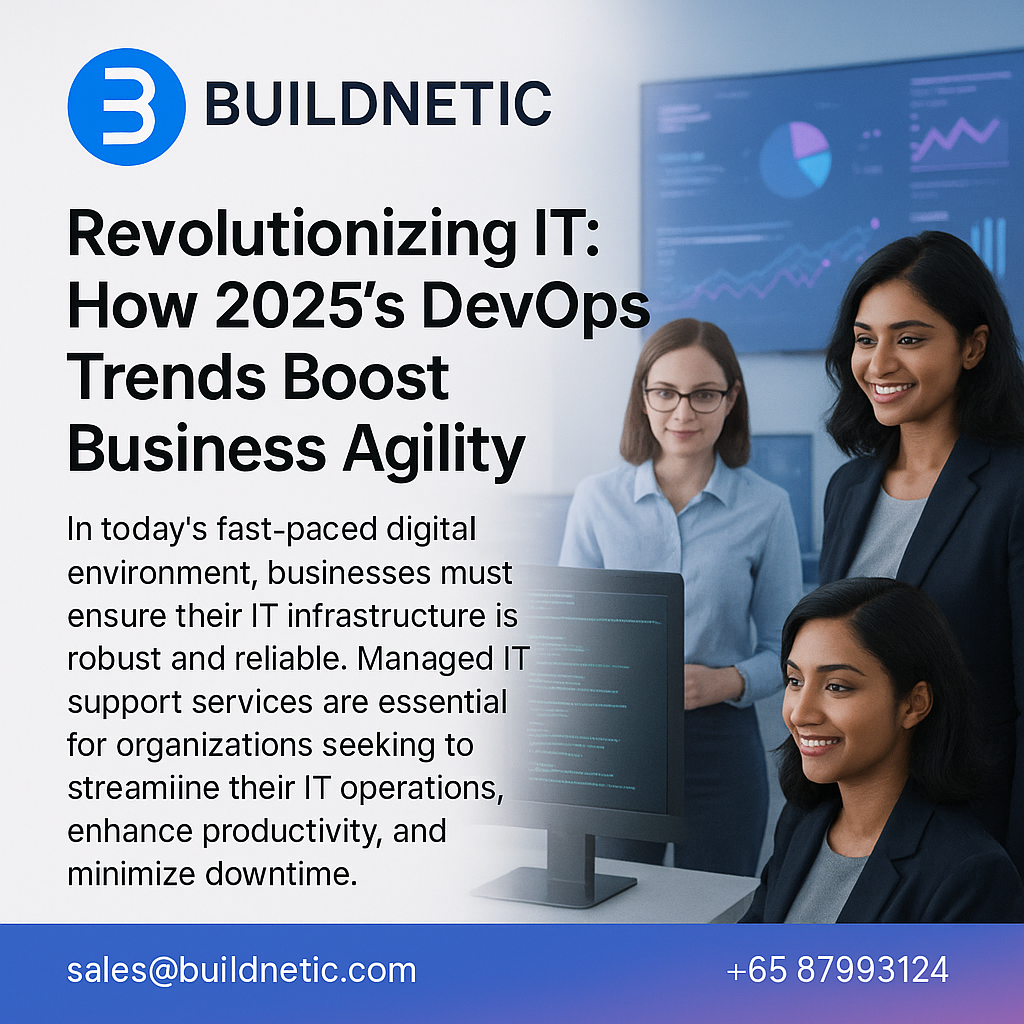
In today’s fast-paced digital environment, businesses must ensure their IT infrastructure is robust and reliable. Managed IT support services are essential for organizations seeking to streamline their IT operations, enhance productivity, and minimize downtime. This blog post will explore the benefits of managed IT support services, how they can transform your business, and why investing in outsourced IT support is a smart strategy for small to medium-sized enterprises.
What Are Managed IT Support Services?
Managed IT support services refer to the outsourcing of IT operations, where a third-party provider takes responsibility for managing a business’s IT infrastructure and end-user systems. These services typically include:
- 24/7 IT support for businesses: Ensuring that technical assistance is available around the clock.
- Remote IT support services: Providing troubleshooting and assistance through online platforms.
- Proactive monitoring: Continuous oversight to prevent issues before they impact business operations.
- Infrastructure management: Handling servers, networks, and other critical components.
By partnering with a managed IT support company, businesses can focus on their core competencies while leaving IT management to the experts.
Why Your Business Needs Managed IT Support
1. Cost-Effectiveness
Outsourcing IT support can significantly reduce operational costs. Instead of hiring a full-time IT team, businesses can pay a predictable monthly fee to a managed service provider. This arrangement often leads to lower overall IT expenditures.
2. Access to Expertise
Managed IT support services provide access to a team of skilled professionals with diverse expertise. From cybersecurity to network management, these specialists ensure that your IT systems are running optimally.
3. Enhanced Security
With the increasing threat of cyber-attacks, cybersecurity is a top priority for businesses. Managed IT support services include robust security measures, such as:
- Regular security audits
- Threat detection and response
- Data encryption
This proactive approach helps safeguard sensitive business data and maintain compliance with industry regulations.
4. Scalability
Managed IT support services can easily scale to meet the changing needs of your business. Whether you are expanding operations or need to adjust services based on seasonality, a good provider can adapt their offerings accordingly.
5. Focus on Core Business Functions
By outsourcing IT support, businesses can concentrate on their core functions without the distraction of managing complex IT issues. This focus on primary operations can foster innovation and growth.
Choosing the Right Managed IT Support Provider
Selecting the right managed IT support company is crucial to the success of your IT strategy. Consider the following factors when making your choice:
1. Service Offerings
Ensure the provider offers a comprehensive range of services, including:
- Managed security services
- Cloud solutions
- Help desk support
- Custom IT solutions tailored to your needs
2. Reputation and Experience
Research the provider’s reputation in the industry. Look for client testimonials, case studies, and industry recognition to gauge their reliability and effectiveness.
3. Availability
Evaluate the availability of support services. A provider offering 24/7 IT support for businesses can significantly reduce downtime and ensure prompt issue resolution.
4. Partnership Approach
Choose a provider that sees itself as a partner in your success. They should be proactive in understanding your business needs and aligning their IT strategies accordingly.
Common Misconceptions About Managed IT Support Services
Despite their benefits, several misconceptions can hinder businesses from utilizing managed IT support services. Here are a few:
1. It’s Only for Large Enterprises
Many small businesses mistake managed IT support as a service only for larger companies. In reality, small business IT support solutions are designed to be affordable and scalable for organizations of all sizes.
2. Loss of Control
Some businesses fear that outsourcing IT support means losing control over their IT operations. However, reputable providers maintain transparency and ensure that clients are informed and involved in decision-making.
3. It’s Too Expensive
While there is a cost associated with managed IT support, the potential savings from reduced downtime, enhanced productivity, and increased security often outweigh the investment.
Conclusion
Managed IT support services are an invaluable resource for businesses looking to optimize their IT operations. By investing in managed IT support services, organizations can enjoy cost savings, enhanced security, and access to expert knowledge.
If you are considering outsourcing your IT needs, look for a trusted managed IT support company that aligns with your business goals.
FAQs
What is the difference between managed IT support and traditional IT support?
Managed IT support involves outsourcing IT management to a third-party provider, whereas traditional IT support typically refers to an in-house team focused on reactive problem-solving.
How do managed IT support services improve business efficiency?
By providing proactive monitoring, 24/7 support, and expert management of IT systems, managed IT support services minimize downtime and enhance operational efficiency.
Are managed IT support services suitable for small businesses?
Yes, managed IT support services are tailored for businesses of all sizes, offering scalable solutions that help small businesses grow without the burden of managing IT in-house.
What should I look for in a managed IT support provider?
Focus on their range of services, reputation, availability of support, and how well they understand your business needs.
Ready to streamline your IT operations? Contact us today to learn more about how our managed IT support services can empower your business!