
Comprehensive Guide to Managed IT Support Services for Businesses
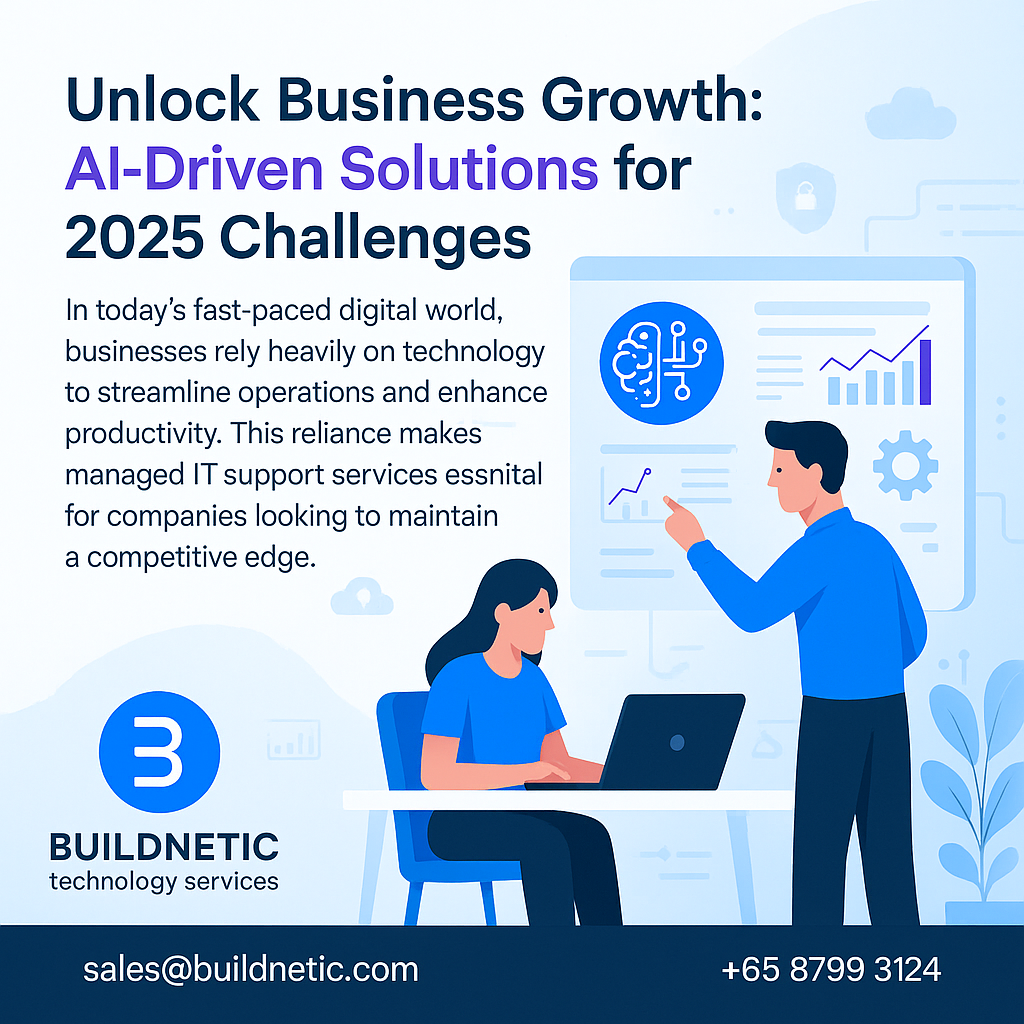
In today’s fast-paced digital world, businesses rely heavily on technology to streamline operations and enhance productivity. This reliance makes managed IT support services essential for companies looking to maintain a competitive edge. Whether you’re a small business or a large enterprise, understanding the complexities and benefits of managed IT support can help you navigate the digital landscape more effectively. In this blog post, we will explore the various aspects of managed IT support services, including their importance, benefits, and how to choose the right provider.
What are Managed IT Support Services?
Managed IT support services involve outsourcing the management of IT systems and processes to a specialized provider. This can include everything from network management to cybersecurity, allowing businesses to focus on their core functions without the burden of managing IT infrastructure.
Key Features of Managed IT Support Services
-
24/7 IT Support for Businesses: Round-the-clock assistance ensures that any technical issues are addressed promptly, minimizing downtime.
-
Proactive Monitoring: Continuous monitoring of systems to identify and resolve potential issues before they escalate.
-
Data Backup and Recovery: Regular backups and recovery plans to safeguard critical data against loss or corruption.
-
Cybersecurity Solutions: Protection against cyber threats, ensuring that sensitive business information remains secure.
Benefits of Using Managed IT Support Services
Choosing managed IT support services offers numerous advantages for businesses, including:
-
Cost Efficiency: Outsourcing IT support can be more cost-effective than hiring an in-house team, especially for small businesses.
-
Access to Expertise: Managed IT service providers bring specialized knowledge and experience, allowing businesses to leverage the latest technologies and best practices.
-
Scalability: As your business grows, your IT needs will evolve. Managed services can easily scale to meet changing demands.
-
Focus on Core Business: By outsourcing IT support, businesses can concentrate on strategic initiatives and core operations instead of dealing with day-to-day IT issues.
-
Enhanced Security: With the increasing number of cyber threats, having a robust cybersecurity strategy is critical. Managed IT support services often include advanced security measures to protect your business.
How to Choose the Right Managed IT Support Provider
Selecting the right managed IT support company is crucial for maximizing the benefits of outsourcing your IT needs. Here are some factors to consider:
1. Assess Your Needs
Evaluate your business’s specific IT requirements. Consider aspects such as:
- Current IT infrastructure
- Future growth plans
- Specific services needed (e.g., cybersecurity, cloud services)
2. Check Expertise and Experience
Look for a provider with a proven track record in managed IT support services. Check their experience in your industry and their ability to handle your specific needs.
3. Evaluate Service Level Agreements (SLAs)
Review the SLAs provided by potential IT support companies. Ensure that they align with your business goals and expectations regarding response times and service delivery.
4. Consider Scalability
Choose a provider that can accommodate your business growth. Your IT support should evolve alongside your operations to ensure continuous service quality.
5. Read Reviews and Testimonials
Research online for reviews and testimonials from existing clients. This can provide insights into the provider’s reliability and the quality of their services.
Common Challenges in IT Support
While managed IT support services can streamline your operations, there are challenges that businesses may face:
-
Integration with Existing Systems: Ensuring that new IT solutions integrate seamlessly with your current infrastructure can be complex.
-
Data Security Risks: Despite having a managed service provider, businesses must remain vigilant about data security practices.
-
Dependence on Third-Party Providers: Relying on an external provider can lead to concerns about control and responsiveness.
Conclusion
Managed IT support services play a vital role in maintaining the technological backbone of businesses today. By leveraging these services, companies can enhance efficiency, reduce costs, and focus on their core competencies. When choosing a managed IT support provider, it’s essential to consider your specific needs, the expertise of the provider, and their ability to scale with your business.
If you’re ready to elevate your business with reliable managed IT support services, contact us today for a consultation!
FAQs
What are managed IT support services?
Managed IT support services involve outsourcing IT management to a specialized provider, covering areas such as cybersecurity, data backup, and network management.
How do managed IT support services save costs?
Outsourcing IT support can reduce overhead costs associated with hiring and training in-house IT staff, while providing access to specialized expertise.
What types of businesses benefit from managed IT support services?
Managed IT support services are beneficial for businesses of all sizes, especially small to medium-sized enterprises that may not have the resources for an in-house IT team.
How do I know if I need managed IT support services?
If your business experiences frequent IT issues, has limited IT resources, or is looking to scale operations, managed IT support services can provide the necessary support and expertise.